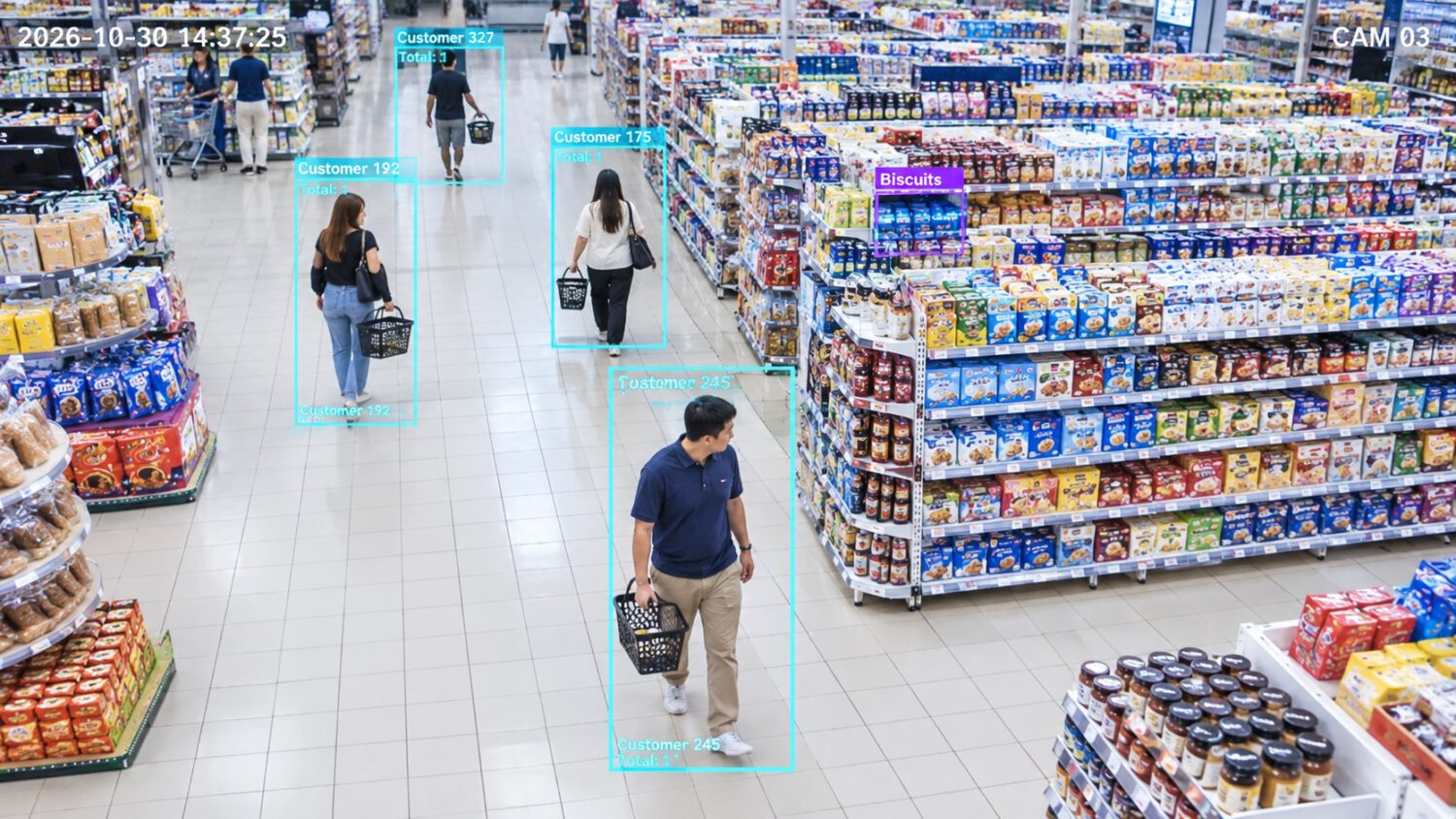
Walking into a neighborhood store for a routine errand should not carry the risk of public humiliation or wrongful accusation. Yet, as automated surveillance tools become more common in retail spaces, an increasing number of innocent shoppers find themselves flagged, confronted, and banned by faulty technology.
The Real-World Impact of Automated Surveillance
Automated surveillance systems, such as the software deployed by platforms like Facewatch, operate by mapping shoppers' facial geometry and comparing those scans against watchlists of individuals suspected of criminal activity. Participating retailers span various popular chains, raising critical questions regarding how biometric data is gathered and utilized against ordinary civilians.
When these systems generate a match, they immediately alert store staff. However, a system alert is not proof of wrongdoing. In practice, documented cases show that these alerts frequently trigger heavy-handed responses, including public confrontations, bag searches, forced removals, and blanket store bans shared across participating locations.
Civil-liberties organizations have documented multiple instances where innocent customers were wrongly placed on watchlists, labeled as thieves, and subjected to repeated harassment. In one notable instance, a shopper was twice accused and removed from stores despite having done nothing wrong, with her biometric data subsequently shared across multiple retail partners.
Divided Accountability and the Burden of Proof
When things go wrong, a complex web of liability emerges between the technology providers and the retailers who use their services. Companies that supply facial recognition software often argue that they take responsibility exclusively for their technology and underlying processes, while insisting that retailers bear full responsibility for how their staff interact with customers.
In reality, when a retail employee acts on a false alert and shares the resulting ban with partner stores, the harm impacts the customer across both sides of that operational line. Some major supermarkets have temporarily paused live alerts following high-profile wrongful removals, only to quietly resume them later, leaving consumers caught in an accountability vacuum.
While data-protection regulations provide a formal mechanism for citizens to challenge what happened, advocates point out that the administrative burden falls entirely on the victims. Requesting personal data often requires individuals to submit even more identifying information to the very organization that wrongly accused them in the first place.
Growing Public Frustration
Beyond formal investigations, these automated systems are reshaping everyday shopping habits. Many consumers are actively altering their routines to avoid automated checkpoints and surveillance infrastructure entirely.
"I’ve stopped using self checkout because of this. If they want to treat me like a potential criminal while I do the companies work for them… fuck all the way off," shared one shopper, capturing a widespread sentiment of frustration.
Others noted the broader anxiety surrounding automated monitoring in commercial spaces. "Oh boy me having a guilty face because I'm always worried I accidentally shoplifted something is finally going to get me into trouble!"
Until technology providers publish transparent, verifiable performance data and independent audits across diverse demographics and environmental conditions, the public has no reliable way to measure how often these systems fail. Automated alerts should serve merely as prompts for cautious human investigation, not as immediate declarations of guilt. As surveillance expands, the structures governing accountability must evolve much faster than the algorithms driving them.

