The story of an old house in St. Petersburg's Driftwood neighborhood and its designation as a historic landmark is a fascinating tale of art, architecture, and the enduring legacy of a creative couple. It's a narrative that intertwines the physical structure of a home with the lives and works of its residents, leaving an indelible mark on the city's cultural landscape.
A Home with a Rich History
The house at 147 Wildwood Lane SE is more than just a residence; it's a testament to the unique architectural style of Mark Dixon Dodd, an artist and designer who shaped the early homes of Driftwood. The Minimal Traditional design, with English Vernacular Revival and Storybook elements, is a rare gem in the city's architectural history. The painted brick chimneys, small balconies, and winding brick paths are a reminder of a bygone era, a time when homes were built to blend with the natural landscape.
The Creative Couple
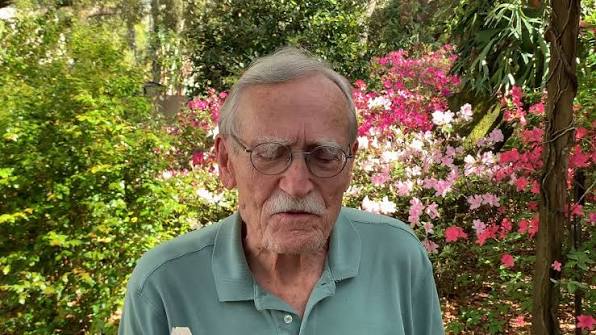
What makes this house truly special is the creative partnership it housed. Peter and Jeanne Meinke, Florida's former poet laureate and an acclaimed artist, respectively, called this place home for over five decades. Their presence added a layer of significance to the property, transforming it into a hub of literary and artistic life. Peter's arrival in St. Petersburg as a teacher at Florida Presbyterian College, now Eckerd College, marked the beginning of a long and influential career. He became the school's first director of creative writing, a role that shaped the literary landscape of the city.
A Creative Partnership
The Meinkes' house became an extension of their creative lives. Jeanne's visual artistry, showcased in publications like The New Yorker and her husband's books, and Peter's poetry, which often drew inspiration from their home and garden, created a symbiotic relationship. Their house was a living, breathing part of their creative process. Scott Ward, a retired Eckerd professor, described it as a lesson in how to live for a young writer. The dining table, worn by years of visitors, the live oaks shading the roof, and the azaleas blooming each spring, all became part of the Meinkes' creative narrative.
Preserving the Legacy
The designation of the Meinke house as a historic landmark is not just about sentiment. It's a recognition of the intersection of two distinct legacies: Dodd as a builder and the Meinkes' artistic and literary contributions. The house, with its relatively few alterations, retains its historic integrity. The detached garage, rebuilt after a fire, and the enclosed side porch are reminders of the Meinkes' presence and their commitment to preserving the home's original vision. Manny Leto, executive director of Preserve the 'Burg, rightly pointed out that the Meinkes shaped the city's cultural life, and their home is a tangible link to that legacy.
A Poem as Testimony
Peter Meinke's poem, "Old Houses," presented to the City Council, is a beautiful testament to the house's significance. The poem's imagery, from the hand-carved attic beam to the secrets and shadows trembling in closets and corners, evokes a sense of the house's history and the lives lived within its walls. It's a powerful reminder of the human stories that make a place special. The unanimous approval of the landmark designation is a testament to the house's importance, not just as a physical structure, but as a symbol of the city's artistic heritage.
Conclusion
The story of the Meinke house is a reminder of the power of art and place. It's a story of how a home can become a creative haven, a partnership between artists, and a legacy that endures. The designation of this house as a historic landmark ensures that its secrets, shadows, and stories will continue to inspire future generations, a living testament to the Meinkes' profound humanity.