Labour's Immigration U-Turn: Balancing Fairness and Backlash
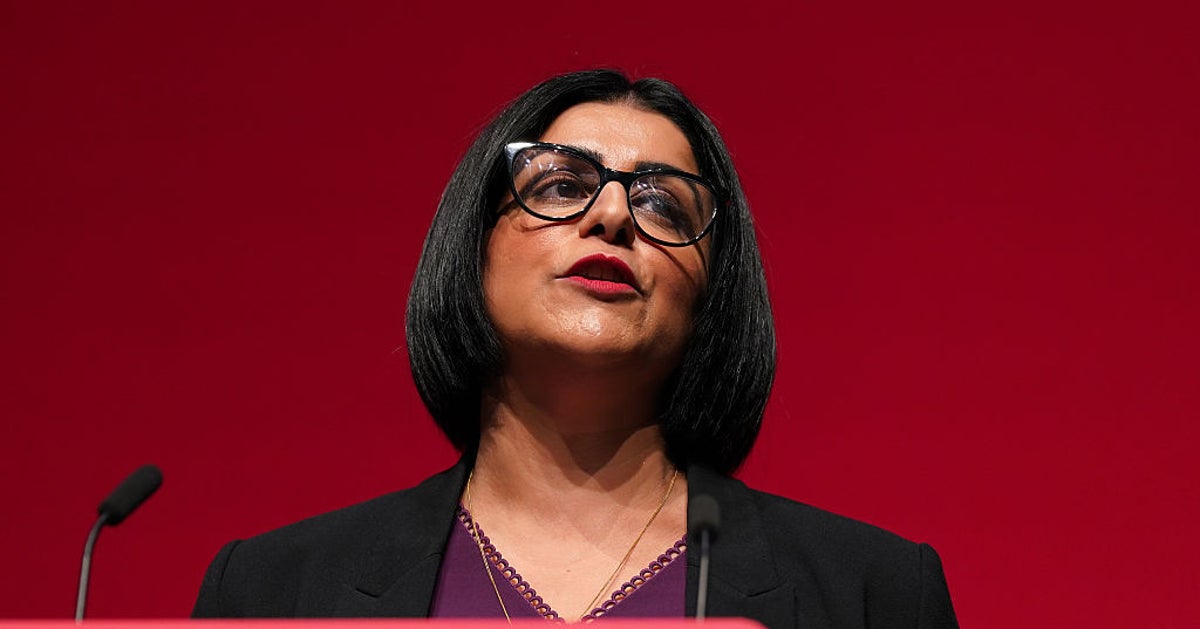
Home Secretary Shabana Mahmood is set to announce a significant shift in Labour's immigration policy, backing away from her initial plan to delay indefinite leave to remain (ILR) for legal migrants. This reversal comes after intense backlash from within her own party, including criticism from cabinet colleagues like Angela Rayner and Miatta Fahnbulleh, who labeled the proposals 'un-British.'
The Original Plan and Its Critics
Mahmood's initial reforms aimed to restrict ILR for up to 15 years, targeting low-skilled workers and their dependents. She argued that without these changes, around 350,000 migrants would gain settlement rights and access to benefits within five years. However, the plan faced immediate resistance. Rayner described it as unfair, while Fahnbulleh refused to endorse it during a high-profile interview. Prime Minister Andy Burnham offered cautious support but stopped short of fully committing to the reforms.
The Climbdown and Its Implications
Facing internal pressure, Mahmood hinted at a compromise during the Labour Party conference in September. She acknowledged concerns about fairness and pledged to find a balance between the rights of legal migrants and British citizens. The revised plan is expected to exempt foreign care workers already in the UK, a move likely to appease Rayner and Fahnbulleh but may not satisfy left-wing Labour backbenchers.
Tory shadow home secretary Chris Philp criticized the U-turn, accusing Mahmood of surrendering to the 'open-borders Labour left.' He claimed the changes would allow hundreds of thousands of low-wage migrants to settle permanently, costing taxpayers billions. However, others argue that the care sector relies heavily on immigrants, and restricting their rights would exacerbate staffing shortages.
The Broader Debate
The debate extends beyond party politics, touching on economic realities and societal values. One observer noted, 'You can't force people into a job they don't want to do, you use the carrot of a good wage and caring isn't exactly that.' They pointed out that care work is often underpaid compared to other sectors, making it unattractive to British workers. Another commentator highlighted the aging population and the need for immigration to sustain the workforce, drawing parallels with countries like Japan.
However, critics argue that mass immigration depresses wages and strains public services. 'Basic decency isn't importing workers from poor countries to suppress wages,' one person remarked. The discussion also veered into cultural concerns, with some expressing anxiety about rapid demographic changes and their impact on social cohesion.
Political Calculations and Public Opinion
Labour's shift reflects a delicate political calculus. Some believe the party is prioritizing its left-wing base and minority voters over broader public opinion. 'If Labour keep the left onside they likely win the next election. If they don't they likely lose to the Tories,' one commenter predicted. Others warned that ignoring majority views on immigration could fuel support for far-right parties.
Mahmood's position appears increasingly precarious. While her revised plan may secure cabinet support, it risks alienating both the public and her party's left flank. As one observer quipped, 'Anyone else feel the South Park Family Guy manatees are running the media?' – a humorous take on the chaotic narrative surrounding the policy shift.
Looking Ahead
The upcoming Commons statement will clarify the extent of Mahmood's concessions. Foreign care workers are expected to receive special treatment, but the details remain unclear. What is certain is that immigration will remain a divisive issue, with Labour walking a tightrope between economic necessity, social fairness, and political survival. As the debate rages on, one thing is clear: finding a solution that satisfies everyone will be no easy task.

